
Falls are among the most serious and frequent causes of injuries in workplaces worldwide. Whether in construction sites, factories, offices, or hospitals, these incidents often result in severe harm, loss of productivity, and financial strain for both employers and employees. Understanding why falls occur—and how they can be prevented—is key to creating safer working conditions and promoting a culture of prevention across industries.
Understanding Why Falls Are the Leading Workplace Injury
Falls remain the leading workplace injury because they can occur in nearly any environment, regardless of industry or job role. From wet floors and cluttered walkways to uneven surfaces and unstable ladders, hazards that cause falls are both common and diverse. Even in office settings, inadequate lighting, loose carpeting, or poorly designed stairways can contribute to serious incidents. The widespread presence of these risks makes falls a top safety concern globally.
Human factors also play a major role in fall-related injuries. Workers may become distracted, fatigued, or complacent after performing repetitive tasks, reducing their awareness of potential hazards. Lack of proper footwear or safety equipment adds another layer of vulnerability, especially in environments where surfaces can quickly become slippery. Moreover, poor communication between team members can lead to unsafe conditions that go unnoticed until it’s too late.
Finally, organizational issues such as insufficient training and weak safety policies often amplify the risk of falls. When employers do not enforce safety protocols or conduct regular risk assessments, hazards may accumulate over time. Additionally, budget constraints or time pressures can sometimes lead workers to take shortcuts, ignoring procedures designed to keep them safe. Recognizing these systemic issues is essential for creating effective solutions.
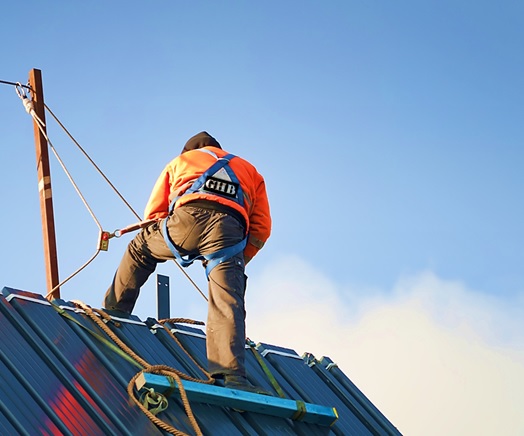
Preventing Falls Through Safer Work Practices and Training
Preventing falls begins with designing workplaces that prioritize safety. Employers should ensure that all work areas are clean, well-lit, and free from obstructions. Installing guardrails around elevated spaces, using slip-resistant materials, and promptly repairing damaged flooring can significantly reduce the likelihood of accidents. Routine inspections and maintenance programs further help keep potential hazards under control.
Comprehensive training programs are equally vital for preventing falls. Workers must be educated on identifying risks, correctly using ladders and scaffolds, and following proper lifting and movement techniques. Encouraging open communication allows employees to report unsafe conditions without fear of reprisal, ensuring issues are addressed early. Supervisors also play a key role by reinforcing safe practices and leading by example.
Finally, promoting a safety-focused culture within the organization ensures that prevention becomes a shared responsibility. Regular safety meetings, refresher courses, and clear signage reminding workers of safety protocols all contribute to long-term improvements. When workers understand that their well-being matters as much as productivity, compliance increases and accidents become far less frequent.
Falls may always pose some level of risk, but their frequency and severity can be reduced through awareness, proactive management, and consistent training. By understanding why falls occur and taking concrete steps to prevent them, businesses not only protect their employees but also enhance overall efficiency and morale. A workplace that values safety builds trust—and that trust supports both individual and organizational success.